
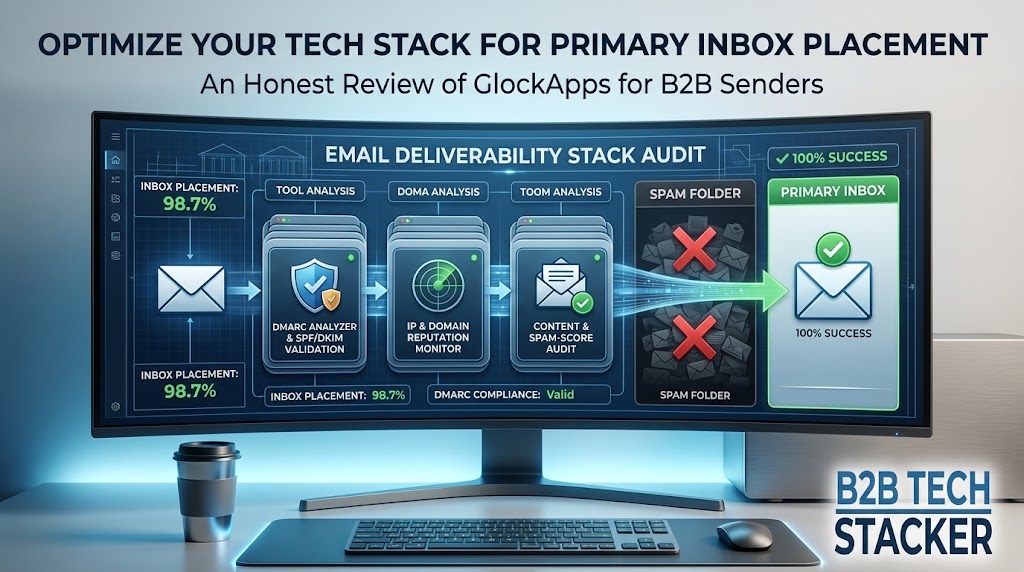
Skip the reading. Deploy this exact architecture and consolidate your B2B tech stack today.
The Silent Killer of Marketing ROI: The Spam Folder
When engineering a modern marketing technology architecture, immense resources are allocated to selecting the perfect CRM, designing automation workflows, and crafting compelling copy. Yet, a fundamental vulnerability remains largely unaddressed until metrics plummet: email deliverability. The most sophisticated automated sequence is entirely useless if the payload—the email itself—is quietly routed to the recipient’s spam folder or blocked by the server entirely.
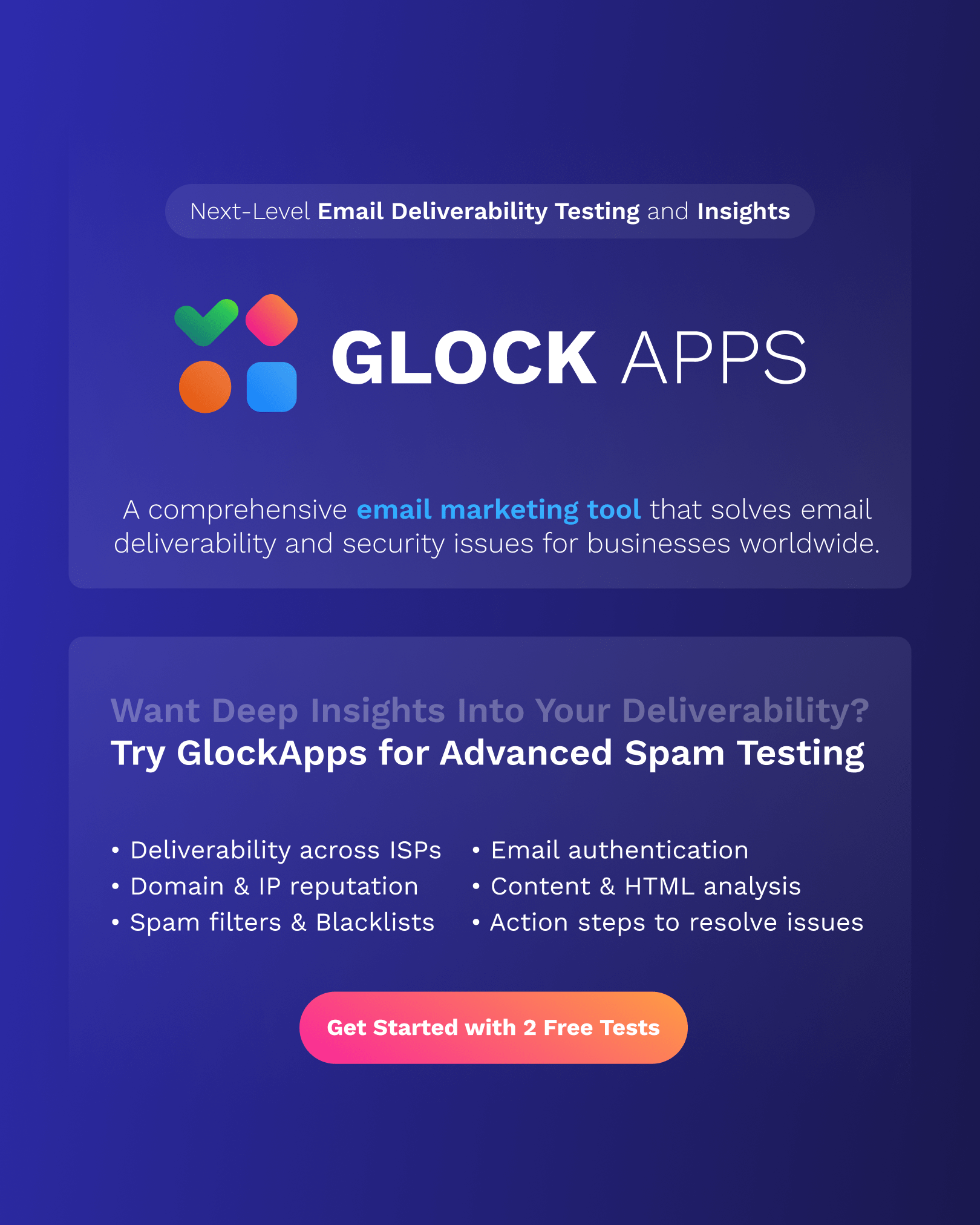
This is where GlockApps enters the blueprint. As organizations scale their outreach, the complexity of inbox placement scales exponentially. Major mailbox providers like Google and Yahoo have implemented stringent authentication requirements, making it impossible to rely on guesswork. GlockApps positions itself as a comprehensive diagnostic and monitoring suite designed to strip away the mystery of email delivery. In this honest, in-depth review, we will deconstruct the platform’s core functionalities, evaluate its utility within a B2B technology stack, and determine if it truly delivers on its promises.
Clarifying the Blueprint: Delivery vs. Deliverability
Before diving into the platform, it is critical to separate two often-conflated metrics. Email Delivery simply means the receiving server accepted the message. It did not bounce. However, Email Deliverability (or inbox placement) measures where that message landed after acceptance—did it reach the primary inbox, the promotions tab, or the spam folder?
Most standard Email Service Providers (ESPs) only report on the former. They will show a 99% delivery rate, lulling marketers into a false sense of security while open rates stagnate at 15%. ESPs cannot natively tell you if an email went to spam because the receiving servers do not report that data back to the sender. GlockApps bridges this critical data gap by simulating the exact journey of your emails across dozens of real-world inbox environments.

Core Feature Deep Dive: What Makes GlockApps Tick?
To accurately assess the platform, we must look at the specific modules that comprise its software architecture. GlockApps is not a single tool; it is a multi-faceted suite designed to tackle deliverability from multiple angles.
1. Inbox Insight and Seed List Testing
The crown jewel of GlockApps is its Inbox Insight feature. Instead of guessing your inbox placement, GlockApps provides a “seed list”—a strategically generated list of dozens of test email addresses hosted across major providers (Gmail, Outlook, Yahoo, Apple Mail, corporate filters like Barracuda and Proofpoint).
Before launching a critical campaign, you send your exact email (complete with tracking links, HTML architecture, and images) to this seed list. Within minutes, GlockApps populates a highly detailed dashboard showing exactly how your email was categorized by each provider.
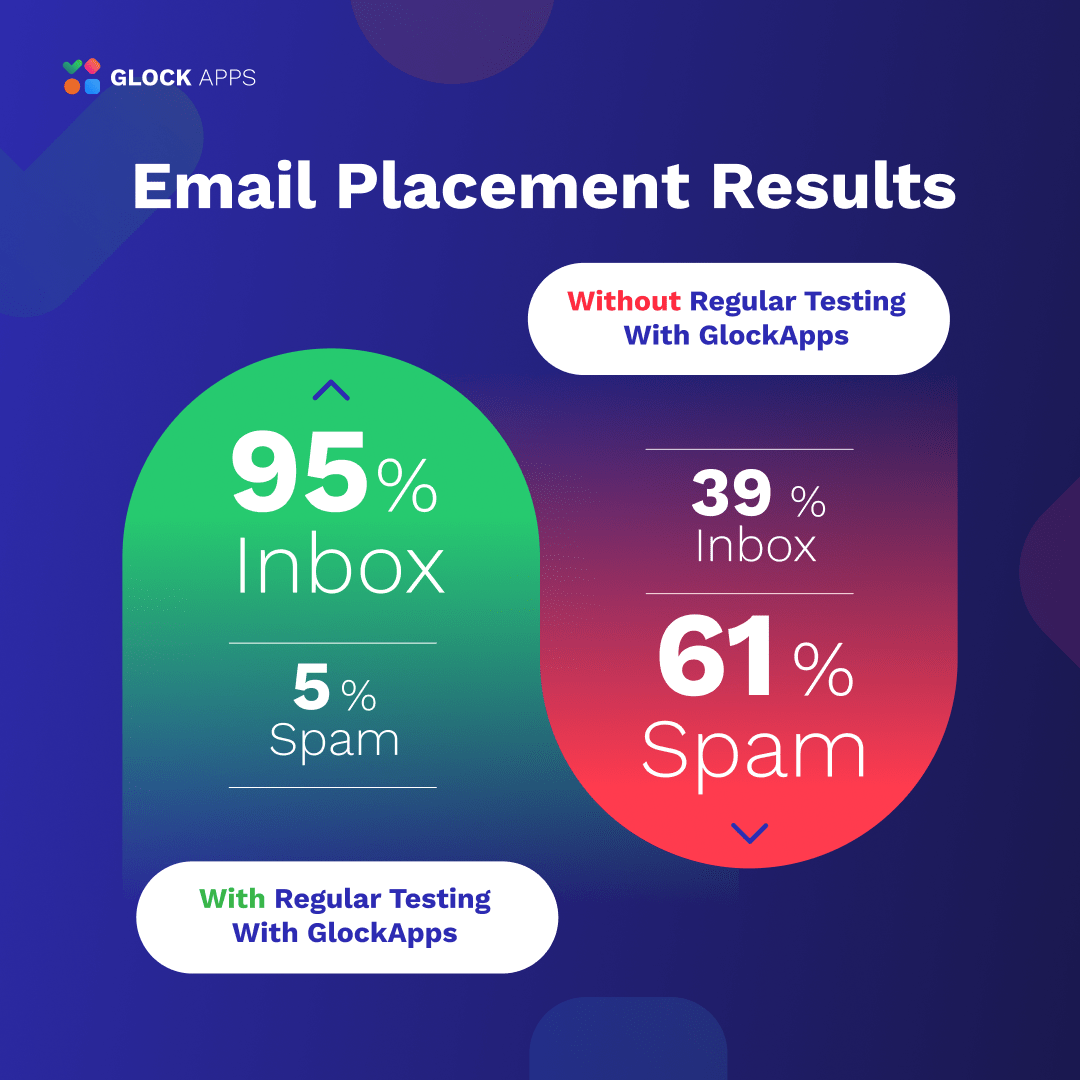
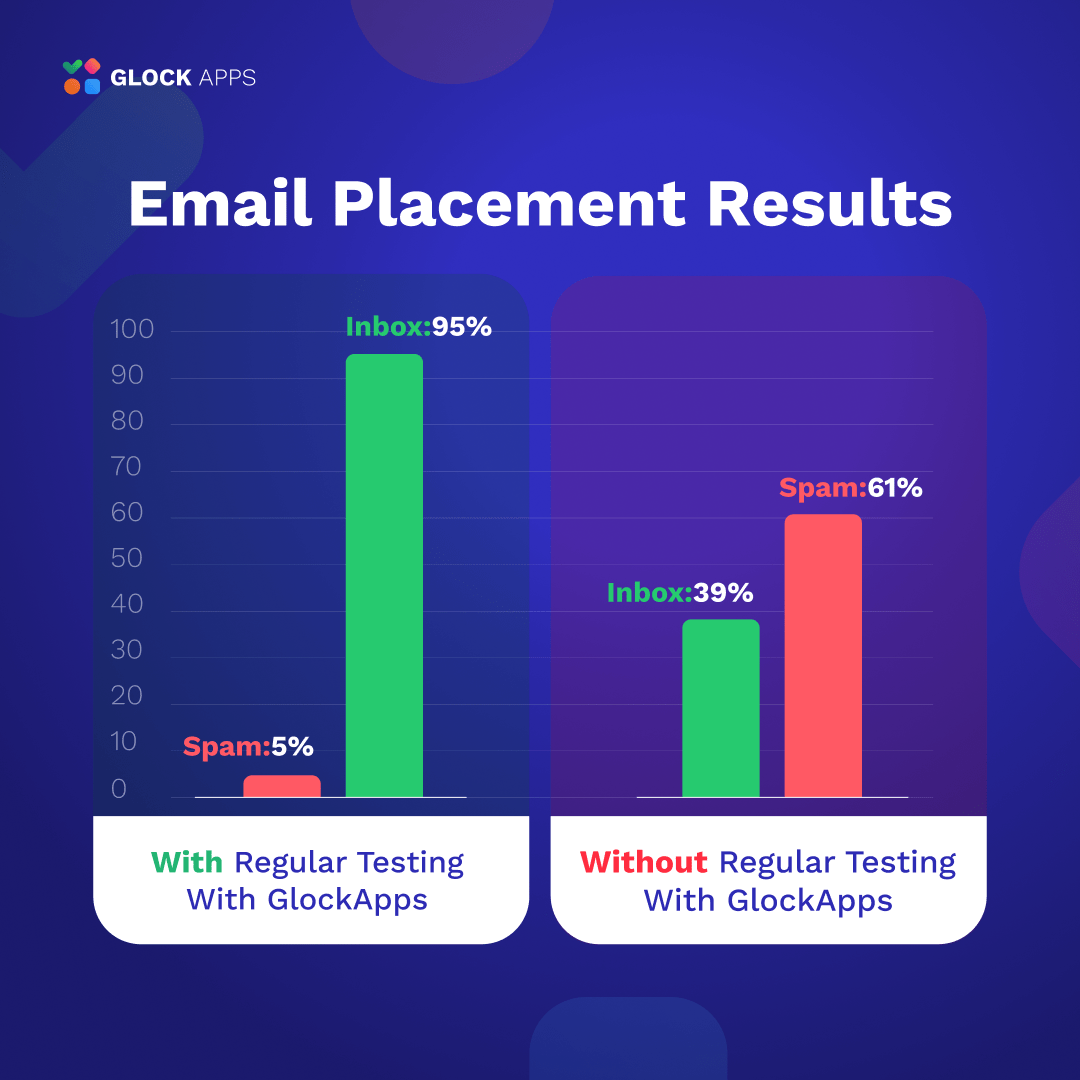
The granularity here is impressive. It doesn’t just say “Gmail: Spam.” It breaks down Gmail by tab: Primary, Promotions, or Social. Furthermore, it analyzes the content against the SpamAssassin filter, providing a specific score and highlighting elements of your HTML or copy that triggered red flags. This allows developers and marketers to iterate on code and content in a sandbox environment rather than burning their domain reputation on a live audience.
2. Comprehensive DMARC Analytics and Brand Protection
As of 2024, enforcing strict email authentication (SPF, DKIM, and DMARC) is no longer a best practice; it is a strict requirement enforced by major providers. Configuring a DMARC record in your DNS is straightforward, but interpreting the daily aggregate XML reports that ISPs send back is incredibly tedious without a parser.
GlockApps includes a robust DMARC Analyzer. By pointing your DMARC reporting address to GlockApps, the platform translates raw XML data into human-readable dashboards. You can monitor every IP address attempting to send mail on behalf of your domain. This is essential for software architecture blueprints that utilize multiple sending platforms (e.g., Salesforce for CRM, Zendesk for support, Outreach for sales). The DMARC analyzer ensures all these disparate systems are properly authenticated, protecting your brand from phishing and spoofing attacks while actively boosting your sender reputation.

3. IP and Domain Reputation Monitoring
Domain reputation is a fragile asset. A sudden spike in bounce rates or spam complaints can land your domain or dedicated IP on an industry blacklist (such as Spamhaus or Sorbs). Once blacklisted, your deliverability will crash, often without any immediate notification from your ESP.
GlockApps actively monitors your sending IPs and domains against dozens of the most prominent blacklists. If an asset is flagged, the platform sends an immediate alert, allowing your infrastructure team to pause campaigns, investigate the root cause, and begin the delisting process before widespread damage occurs. Continuous uptime and reputation monitoring is a non-negotiable layer of any enterprise tech stack.
Integrating GlockApps into a Software Architecture Blueprint
For B2B organizations, technology directory guides and integration capabilities are paramount. A tool cannot exist in isolation. GlockApps excels in its ability to fit seamlessly into existing workflows. Whether you are dispatching newsletters via Mailchimp, managing complex automated funnels in ActiveCampaign, or handling high-volume transactional mail via SendGrid, Amazon SES, or Mailgun, GlockApps acts as the agnostic diagnostic layer.
The integration process is generally frictionless. For automated testing, GlockApps provides an API that allows developers to trigger inbox tests programmatically. This means QA teams can bake deliverability testing directly into their CI/CD pipelines when rolling out new transactional email templates. Every time a template is updated, a script can push a test through the GlockApps API, ensuring that a stray CSS tag or broken image link hasn’t suddenly caused the email to fail SpamAssassin checks.

An Honest Look: The Pros and Cons
No honest review is complete without analyzing both the strengths and the limitations of a platform. Let’s break down where GlockApps shines and where users might experience friction.
The Pros:
- Unmatched Visibility: The ability to see exactly which tab (Primary vs. Promotions) your email lands in across various ISPs provides actionable, revenue-driving data.
- Actionable Feedback: It doesn’t just present the problem; it provides the solution. The detailed content analysis points out exactly which lines of code or specific phrases are triggering spam filters.
- All-in-One Dashboard: Consolidating seed testing, DMARC parsing, and blacklist monitoring into a single interface reduces the need for multiple disparate tools, streamlining the software stack.
- Responsive Support: The technical documentation is robust, and the support team is highly knowledgeable about the nuances of DNS and ISP algorithms.
The Cons:
- Learning Curve for Beginners: The sheer volume of technical data can be overwhelming. Understanding SPF alignment, DKIM signatures, and DMARC policy tags requires a baseline level of technical literacy. It is a professional tool built for users who want deep insights.
- Cost Scaling: While the pricing is fair for the insights provided, high-volume senders who require daily automated testing across dozens of templates will see costs scale quickly as they consume test credits.
- Seed List Maintenance: Occasionally, individual seed addresses may experience temporary issues, requiring minor delays while the platform cycles in fresh test inboxes.

Pricing Structure and ROI Perspective
Evaluating the cost of GlockApps requires looking through the lens of Return on Investment (ROI). The platform operates on a tier-based subscription model, primarily determined by the number of inbox tests you need to run per month and the volume of DMARC-compliant messages you process.
If an organization spends thousands of dollars acquiring leads, the cost of an unread email is incredibly high. By increasing primary inbox placement by just 5% to 10%, the resulting increase in open rates and subsequent conversions routinely pays for a year of GlockApps within a single campaign cycle. For agencies, providing GlockApps reports to clients serves as a massive value-add, proving that their campaigns are mathematically optimized for delivery before they ever hit “send.”
Final Verdict: Should You Add GlockApps to Your Stack?
In the current ecosystem of aggressive spam filters and strict authentication protocols, hoping for the best is not a viable strategy. Email deliverability must be treated as a precise science, requiring dedicated diagnostic tools.
GlockApps delivers an exceptionally powerful, transparent, and actionable suite of tools. By providing real-time insights into inbox placement, simplifying DMARC compliance, and actively monitoring domain reputation, it transitions email marketing from a guessing game into a controlled, measurable process. For any B2B organization, marketing agency, or technical architect looking to maximize the efficiency of their outbound communications, GlockApps is a highly recommended addition to the tech stack.

Stop leaving your revenue to chance in the spam folder. Diagnose your infrastructure, optimize your content, and secure your brand’s sending reputation.
The Deep Technical Context: Why ISPs are Getting Stricter
To truly understand the value of GlockApps, one must understand the evolving landscape of email security. For years, the Simple Mail Transfer Protocol (SMTP) operated with inherent flaws, primarily the lack of sender verification. Anyone could write a script to send an email claiming to be from a major bank or a trusted B2B partner. As phishing attacks grew more sophisticated, causing billions in damages annually, Internet Service Providers (ISPs) had to adapt.
The introduction of SPF (Sender Policy Framework) allowed domain owners to publish a public DNS record listing the IP addresses authorized to send mail on their behalf. Next came DKIM (DomainKeys Identified Mail), which adds a cryptographic signature to the email header, ensuring the content hasn’t been tampered with in transit. Finally, DMARC (Domain-based Message Authentication, Reporting, and Conformance) tied SPF and DKIM together, giving domain owners the power to tell ISPs exactly what to do with messages that fail these checks—either monitor them, quarantine them to spam, or reject them outright.
However, implementing these protocols is only half the battle. Even with perfect authentication, content filtering algorithms analyze hundreds of data points within the email itself. The ratio of images to text, the presence of specific trigger words, the reputation of the domains linked within the email body, and the historical engagement rates of the sender all play a massive role. This is an incredibly hostile environment for legitimate marketers who simply want to reach their opted-in audiences.
GlockApps acts as the ultimate reconnaissance tool in this landscape. Instead of waiting for a campaign to underperform, you deploy GlockApps to probe the defenses of the ISPs. You gain foresight. You see exactly how the Google postmaster algorithms react to your specific HTML structure before you expose your main list to potential delivery failures. In the realm of software architecture blueprints, you wouldn’t deploy a major code update without staging and QA testing; GlockApps provides that exact staging environment for your email communications.
Advanced Utilization: Continuous Deliverability Audits
For organizations operating at scale, periodic testing is insufficient. Email deliverability is a fluid metric. An IP address that is pristine on Monday can be compromised by a third-party shared sender on Tuesday. Therefore, integrating GlockApps into a continuous audit routine is a critical operational workflow.
A standard blueprint for advanced utilization involves setting up automated weekly sweeps. Using the GlockApps platform, operations teams can schedule routine checks of their automated onboarding sequences, transactional receipts, and primary newsletter templates. Because these assets are dispatched continuously, a sudden drop in their inbox placement can silently bleed revenue over weeks if left undetected. GlockApps’ automated reporting highlights these anomalies immediately, alerting the team to investigate potential blacklisting events or changes in ISP filtering rules.
Furthermore, for agencies managing multiple client domains, GlockApps transforms from a diagnostic tool into a powerful reporting mechanism. Providing clients with tangible, visual proof of their DMARC compliance and inbox placement rates establishes deep trust and positions the agency as a highly technical, results-driven partner. The detailed PDF reports generated by GlockApps can be white-labeled, offering a polished deliverable that justifies ongoing retainer fees for email management and optimization.
Conclusion: The Essential Deliverability Blueprint
The days of relying solely on your ESP’s dashboard are over. To thrive in the modern digital ecosystem, your technology stack must include dedicated deliverability infrastructure. GlockApps stands out as one of the most comprehensive, accurate, and user-friendly platforms available to secure your inbox placement. From rigorous seed testing to deep DMARC analytics, it provides the precise diagnostics required to elevate your email marketing strategy and safeguard your domain’s reputation. Don’t let technical oversights dictate your marketing success—take control of your deliverability architecture today.