
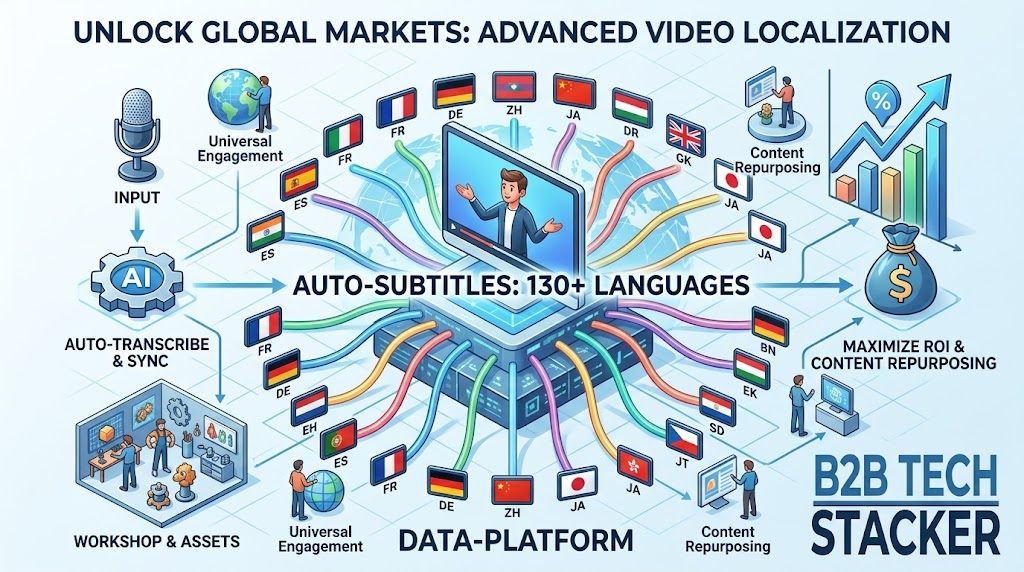
Skip the reading. Deploy this exact architecture and consolidate your B2B tech stack today.
Breaking Language Barriers and Engaging Global Audiences with Advanced Video Localization
In the highly interconnected digital age, your audience is no longer confined by geographical borders. A compelling video created in New York can go viral in Tokyo, Berlin, or São Paulo just as easily as it can domestically. However, while the internet has erased physical borders, linguistic barriers remain a significant hurdle for creators and brands trying to achieve true global reach. To truly maximize the ROI on your video content, localization is not just an optional add-on; it is an absolute necessity.
Advanced Video Localization goes beyond simple, literal translation. It involves adapting your content to resonate culturally and linguistically with diverse demographics. Fortunately, modern video editing technology has evolved to make this process incredibly streamlined. In this in-depth guide, we will explore the immense value of video localization, how to easily translate content into over 130 languages, and the creative ways you can use tools like 3D animation to captivate an international audience.
The Imperative of Video Localization
Why should you care about localization? The statistics are clear: consumers overwhelmingly prefer consuming content in their native language. A staggering percentage of internet users will not buy from a website or engage deeply with a brand if the content is not available in a language they fully understand. When you restrict your video content to English alone, you are effectively ignoring over 80% of the world’s population.
For B2B marketers, e-learning professionals, and YouTube creators, translating content opens up massive new revenue streams and audience segments. It improves SEO, as videos tagged and subtitled in multiple languages rank higher in localized search engine results. It also demonstrates a commitment to your international audience, building trust and brand loyalty.
Automated Translation and Subtitling
Historically, translating a video was an arduous, expensive process. It involved hiring professional translators, managing complex SRT files, and painstakingly syncing subtitles to the audio track frame-by-frame. It was a logistical headache that deterred many creators from even attempting global distribution.
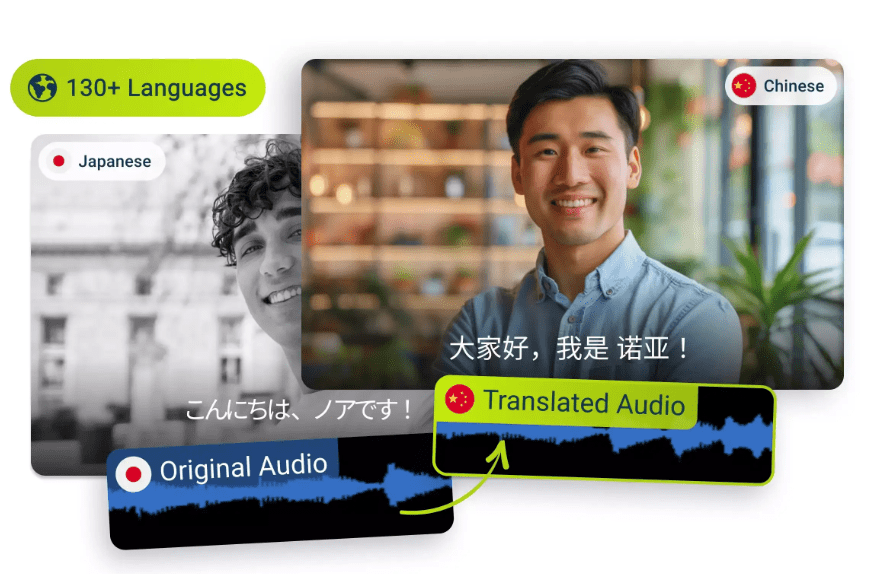
Today, cloud-based video platforms have integrated advanced machine learning translation models that can automatically transcribe spoken audio and translate it into dozens, or even hundreds, of different languages almost instantly. You can take an English webinar, generate highly accurate subtitles, and then click a button to create Spanish, French, Mandarin, and German versions of those subtitles.
This automated workflow not only generates the translated text but also automatically syncs it to the timeline. You can then use intuitive tools to style the subtitles, ensuring they match your brand guidelines and are easily readable on mobile devices. By providing subtitles in over 130 languages, platforms like Flixier allow you to turn a single piece of content into a global asset with minimal extra effort.
Elevating Engagement with Interactive and 3D Elements
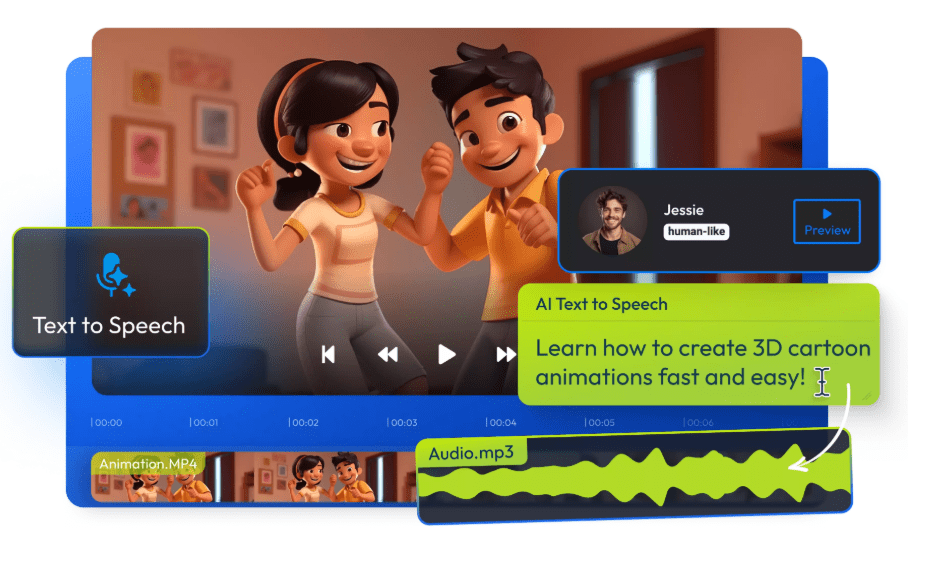
While subtitles and translations address the linguistic barrier, visual engagement is equally important when crossing cultural lines. Visual storytelling often transcends language. This is where the integration of dynamic visual elements, such as motion graphics and 3D animation, becomes incredibly valuable.
The Workflow of Global Expansion
To successfully implement a localization strategy, you need a workflow that minimizes friction. Cloud-based platforms excel here. Here is a typical modern localization workflow:
- Create the Master Video: Edit your core video, ensuring the pacing allows for subtitle reading. Keep visual text (like lower thirds) minimal or easily editable.
- Auto-Transcribe: Use AI tools to generate a perfectly synced transcript in the original language.
- Translate: Select the languages for your target markets and auto-translate the transcript.
- Review and Adjust: Quickly scan the localized subtitles for context and formatting.
- Add Universal Visuals: Integrate 3D cartoons, charts, and universal B-roll to support the narrative visually.
- Export Variations: Export multiple versions of the video, each tailored to a specific region, directly from the cloud.
Maximizing ROI Through Content Repurposing
Localization is the ultimate form of content repurposing. By taking a high-performing video and translating it, you multiply its value without having to shoot new footage or write a new script. This significantly drives down the cost-per-acquisition (CPA) for marketing teams and increases the lifetime value of every piece of media produced.
Conclusion
In a globalized digital economy, limiting your content to a single language is leaving massive opportunities on the table. The technology to overcome these barriers is no longer out of reach; it is integrated directly into modern, browser-based video editing suites. By leveraging automated transcription, translation into over 130 languages, and universally appealing visual elements like 3D animation, any creator or business can build a global presence. Start viewing your content through a global lens, adopt the right cloud-based tools, and watch your audience expand exponentially across the globe.