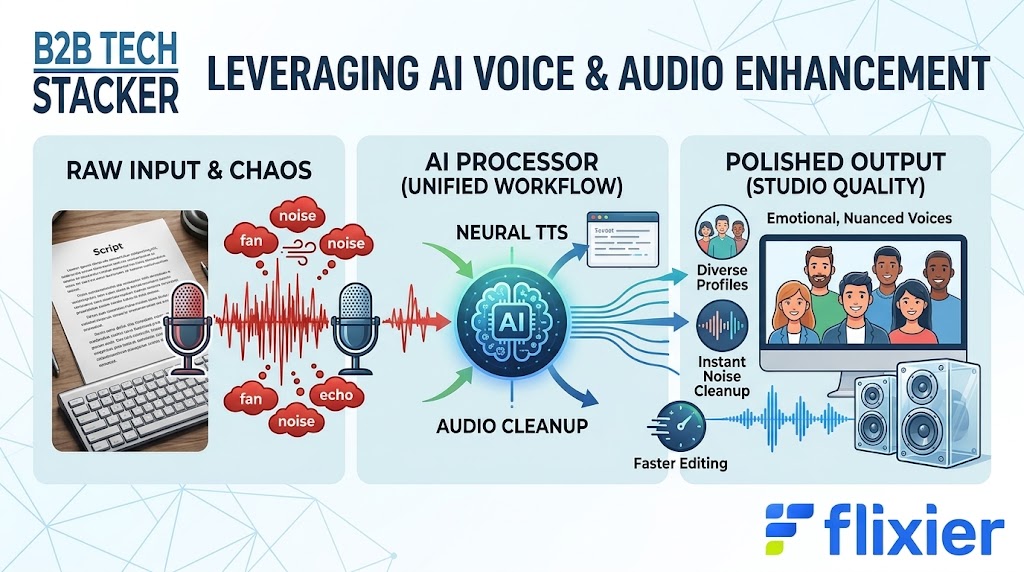
Skip the reading. Deploy this exact architecture and consolidate your B2B tech stack today.
Revolutionizing Content with Artificial Intelligence: Leveraging Text-to-Speech and Audio Enhancement
We are standing at the precipice of a new era in content creation, one driven by the rapid advancements in Artificial Intelligence. For video producers, podcasters, and digital marketers, AI is no longer a buzzword; it is a critical tool that drastically reduces production time while simultaneously elevating the quality of the final output. Among the most impactful applications of AI in multimedia production are advanced text-to-speech generation and intelligent audio enhancement. These technologies are breaking down traditional barriers, allowing creators to produce polished, professional-grade audio without expensive recording studios or professional voice actors.
In this article, we will explore how integrating AI tools into your editing workflow can transform your content strategy. We will delve into the mechanics of neural text-to-speech, the magic of automated audio cleanup, and how platforms leveraging these technologies—like Flixier—are empowering creators to do more with less.
The Rise of Neural Text-to-Speech (TTS)
Historically, automated voices sounded robotic, disjointed, and devoid of emotion. They were suitable for automated phone menus but completely unacceptable for engaging video content, e-learning modules, or audiobooks. However, the advent of neural networks and deep learning has completely revolutionized TTS technology. Modern AI voice generators analyze vast datasets of human speech to understand intonation, pacing, emphasis, and breath control.
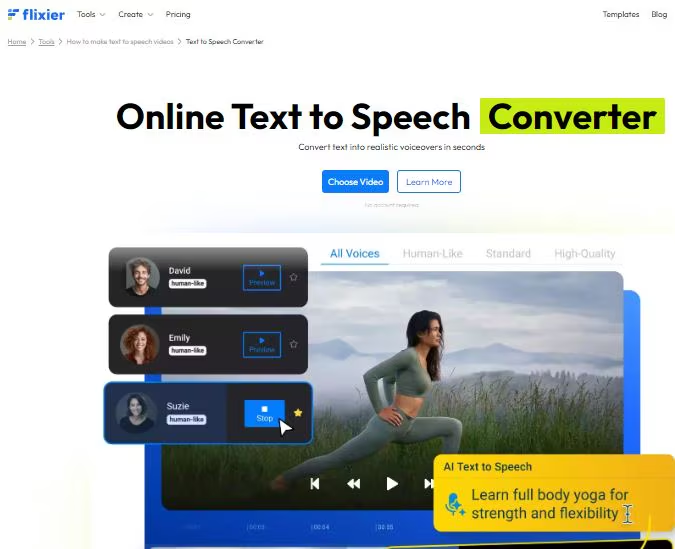
The result is synthetic speech that is virtually indistinguishable from a human recording. This unlocks incredible potential for content creators. Imagine being able to generate a professional voiceover for a marketing video in seconds, simply by typing a script. Need to update a statistic in a video you published last month? Instead of re-hiring a voice actor and booking studio time, you simply edit the text and regenerate the audio. The AI Text Editor workflow provides an unprecedented level of agility and cost savings for B2B enterprises and solo creators alike.
Furthermore, these AI voices come in diverse profiles. You can select different ages, accents, genders, and emotional tones to perfectly match the vibe of your content. Whether you need an authoritative voice for a corporate explainer or an enthusiastic tone for a YouTube intro, the right voice is just a click away.
Transforming Audio Quality with AI Enhancement
While generating new audio is a game-changer, dealing with existing, imperfect audio is a daily struggle for video editors. Recording on location often means dealing with background noise, wind, echo, and electrical hums. In the past, salvaging this audio required deep expertise in sound engineering and complex software like Pro Tools or Adobe Audition. Even then, heavy noise reduction often left the primary voice sounding muffled or underwater.
AI-driven audio enhancement changes the paradigm entirely. By utilizing machine learning models trained to isolate human speech from noise, these tools can clean up terrible audio with a single click.
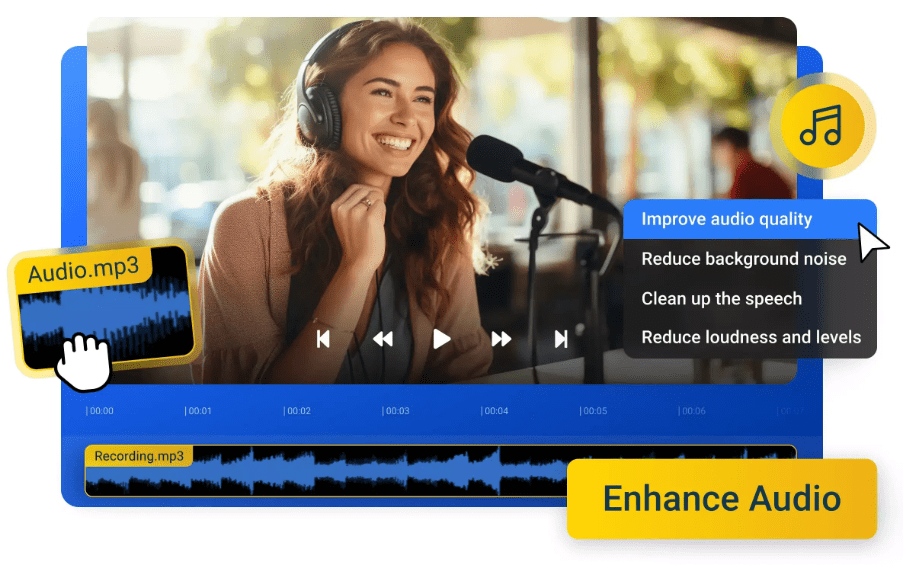
The AI understands what a human voice should sound like and essentially rebuilds the frequencies while stripping away everything else. It can remove the hum of an air conditioner, the chatter of a busy coffee shop, or the distracting echo of an untreated room. This means creators no longer need expensive shotgun microphones or soundproof studios to capture professional audio. You can record a podcast on your smartphone in a hotel room, run it through an AI audio enhancer, and it will sound as though it was recorded in a million-dollar studio. This democratization of audio quality ensures that your message is heard clearly, keeping your audience engaged and preventing them from clicking away due to poor sound.
Streamlining the Editing Workflow
The true power of these AI tools is realized when they are integrated directly into a robust video editing environment. Switching between different applications for scriptwriting, voice generation, audio cleaning, and video editing is a disjointed and inefficient process. Modern platforms unify these tools in a single browser tab.
By using an integrated AI Text Editor, you can draft your script alongside your video timeline. You can generate the TTS voiceover, drag it onto the timeline, and immediately see how it times out with your visuals. If the pacing is off, you simply adjust the text and regenerate. If you are importing an interview with poor audio, you apply the enhancement filter directly within the same project. This streamlined, frictionless workflow drastically reduces the time from concept to final export.
Accessibility and Inclusivity
AI audio tools also play a crucial role in making content more accessible. By easily generating clear voiceovers, creators can provide audio descriptions for visually impaired audiences. Furthermore, the clarity provided by AI audio enhancement ensures that those with hearing difficulties can better understand the spoken content without struggling against background noise.
Conclusion
The integration of Artificial Intelligence into multimedia production is not merely a convenience; it is a strategic necessity for anyone looking to compete in today’s fast-paced digital ecosystem. Neural text-to-speech and AI audio enhancement are leveling the playing field, allowing anyone with a computer and an internet connection to produce broadcast-quality content. By eliminating the need for expensive studios and specialized sound engineering skills, these tools empower creators to focus on what truly matters: the story they are trying to tell.
As AI technology continues to evolve, the possibilities for content creation will only expand. Early adopters who integrate these intelligent workflows into their pipelines will enjoy significant advantages in efficiency, cost savings, and content quality. If you want to experience the future of AI-assisted creation, start utilizing platforms that bring these powerful features directly to your browser.